
Fruit and Vegetable Market in Albania, 2025
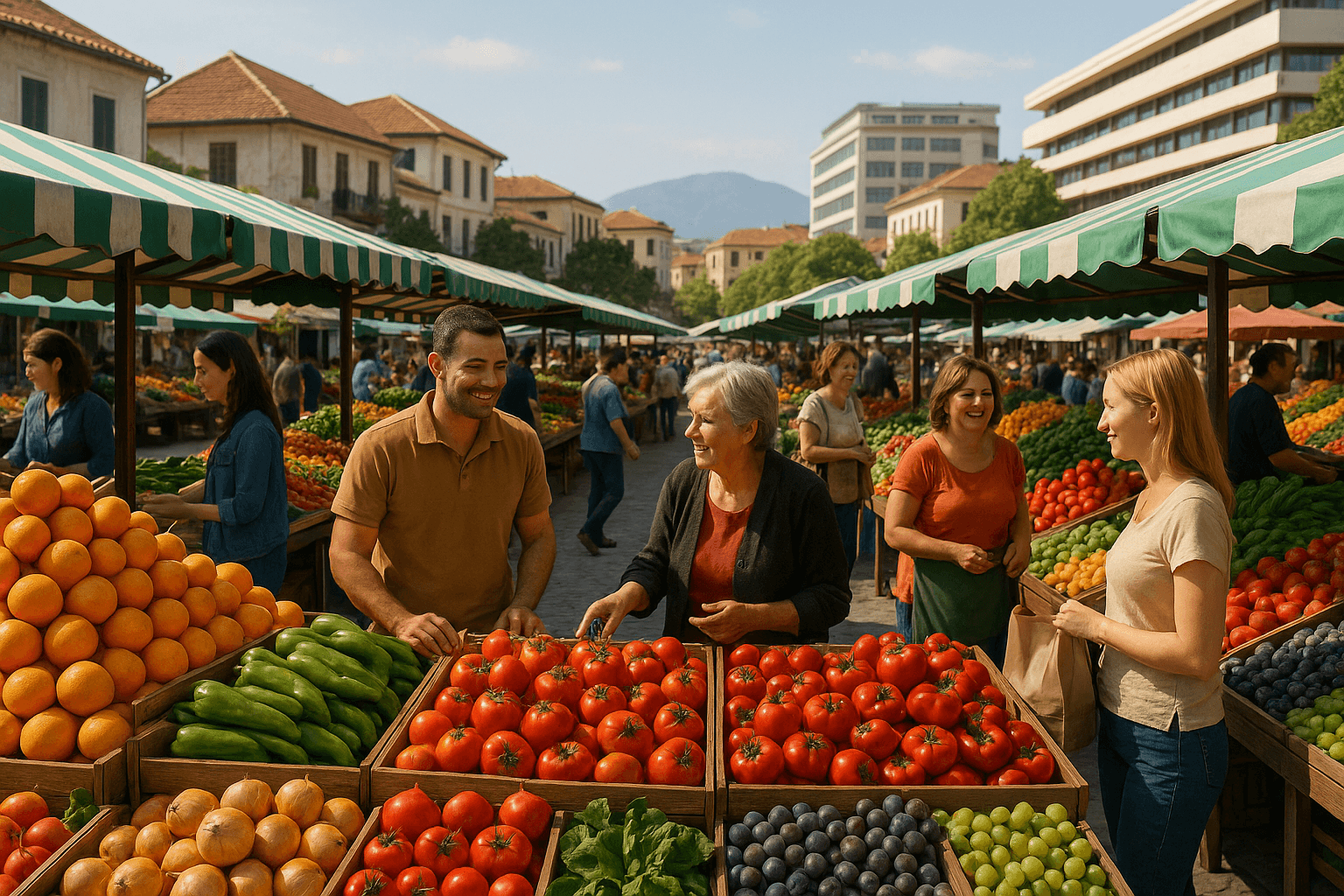
Fruit and Vegetable Market in Albania 2025
In 2025, the fruit and vegetable market in Albania has seen important developments that affect the national economy and exports. This sector accounts for 16% of GDP and employs 36% of the labor force. With revenues reaching USD 1.14 billion, fruit and vegetable exports have recorded steady growth, reaching EUR 570 million in 2024 and growing by 26% in the first quarter of 2025.
Key Points:
Export Growth: Agricultural exports have grown significantly, including products such as cabbage, watermelons and olives.
Domestic Production: Vegetable production reached 1.42 million tonnes in 2024, led by the counties of Fier, Lushnjë and Korçë.
New Trends: Demand for organic products and e-commerce are growing, with e-commerce reaching USD 1.2 million in this sector.
Challenges: Land fragmentation, post-harvest infrastructure and the high cost of inputs remain the main obstacles.
Investments: The sector is attracting investors because of its great potential in technology and processing.
Albania aims to reach EUR 1 billion in exports by 2030, focusing its efforts on modernizing the sector and improving the supply chain.
Production Data and Producing Regions
This section describes production performance and geographical distribution, showing the influence of local factors on market development. In Albania, fruit and vegetable production has had quite positive results during 2025, reflecting continued investment in the agricultural sector.
Production Figures and Growth Rates
In 2024, Albanian agriculture recorded considerable growth, with vegetable production reaching 1.42 million tonnes, an increase of 2.9% compared with the previous year [6]. This growth is an indicator of improvements in technology and modern agricultural practices. Broken down by category, production included:
Early-season vegetables: 941,000 tonnes
Dry vegetables: 136,000 tonnes
Melons: 347,000 tonnes
A large share of this production, about 25%, comes from greenhouse farming, which is most concentrated in the counties of Fier and Berat [6].
The fresh vegetables market is expected to reach a value of USD 944.39 million by 2025. In addition, annual growth of 6.31% is forecast (CAGR 2025–2030), while the market volume is expected to reach 330.06 million kilograms by 2030 [4].
In the same year, cereal production reached 649,000 tonnes [6]. These data clearly show the performance of the main producing regions, which are mentioned below.
Main Producing Areas
Albania's western region, including the counties of Lushnjë, Fier and Vlorë, is the leader in fruit and vegetable production [7]. On the other hand, Korçë county in the east plays an important role in the country's agricultural production [7].
Climatic conditions in these regions are ideal for growing a wide range of vegetables, including off-season production for export [7]. Coastal areas, meanwhile, are particularly well suited to producing fruit and wine [7].
Lushnjë is known as the main center of agricultural exports. In May 2022, it hosted the "Agriculture Days" International Trade Fair, an event that promoted agriculture, technology and food processing. Lushnjë's strategic position makes it a key hub for markets and exporters that work with the European Union and the Nordic countries [7].
Meanwhile, the counties of Fier, Korçë and Vlorë are important contributors to the country's agricultural production [5]. The geographical distribution shows that 43% of agricultural land is located in the lowlands, while 24% of the country's total area is dedicated to agriculture [8]. This great potential creates room for diversifying production and improving productivity across all regions.
Export Markets and Trade Barriers
Albania has great potential for exporting fresh produce to Southeast Europe. The country's geographical position and favorable climate help produce early-season crops, positioning Albania as an important supplier to European markets. However, this success also comes with challenges that call for solutions.
Main Export Markets
Albanian exports have developed noticeably in recent years, reaching EUR 570 million last year [11]. Fruit and vegetables account for about 36% of the country's agricultural exports [2]. In the first quarter of 2025, exports of these products grew by 26% compared with the same period last year [1].
"Thanks to the tireless efforts of the entire high-quality production-processing-export chain in our country, we continue to grow. We have supported this sector and will continue to prioritize it as we work toward the government's goal of reaching EUR 1 billion in exports within this decade," - Anila Denaj, Minister of Agriculture and Rural Development [10].
The export portfolio includes value-added products such as olives, watermelons and nuts [9]. One successful example is the growth in cabbage exports, which has found high demand in Eastern European and Baltic countries [12]. In the period January–February 2025, vegetable exports grew by 71%, while fruit exports fell by 48%, according to data from INSTAT. At the same time, exports to countries such as Serbia, Bosnia and Kosovo recorded significant growth. Serbia saw an increase of 86%, while Bulgaria and Poland recorded increases of 95% and 144%, respectively [12].
While these main markets tell a success story, Albanian exporters also face a series of challenges.
Export Challenges
Although exports have made progress, Albanian producers face several obstacles. One of the main problems is the lack of integration into large distribution and marketing networks [13]. Moreover, the small size of farms and land fragmentation limit productivity and agricultural development. Nearly 80% of producers are small farmers, working small plots of 0.9 to 1.2 hectares [15].
Another challenge is weak post-harvest infrastructure, particularly the lack of cold storage facilities, which affects the stability of supply and prices [13]. The high cost of agricultural inputs, including VAT on fertilizers and agricultural products, reduces competitiveness in international markets [13].
Furthermore, government policies often fall short in providing direct support for exports. The focus on supporting agricultural inputs, rather than on market orientation, limits the development of the sector [13]. Administrative bureaucracy, including sanitary and phytosanitary (SPS) measures, often delays the movement of goods and raises costs for small exporters [14].
To overcome these challenges, producers need to align production standards with the requirements of international markets [13]. The government can play a vital role by working with businesses to improve technology, food safety and supply chain management. Investing in the digitalization of land registries and creating a "National Logistics Portal" can help increase efficiency and improve competitiveness in the fruit and vegetable sector [15].
Investment Opportunities and Business Development
The agricultural sector in Albania is attracting more and more investors, both domestic and foreign. The favorable climate, fertile land and the country's strategic position create ideal conditions for long-term investment in fruit and vegetable production. Moreover, growing demand for organic and high-quality products opens up new horizons for businesses in this sector [16].
New Room for Investment
The use of modern technologies in agriculture has brought noticeable improvements in yields and product quality. A clear example is the expansion of the greenhouse sector, which now covers over 2,500 hectares, showing potential for further development [2].
"The agricultural sector in Albania has high growth potential because of its abundant natural resources and growing demand for organic and high-quality products. Modern farming techniques and equipment can result in higher yields and superior-quality products," - Ingrid Kodra, Global Mobility Consultant, Eurofast [16].
Another promising area for investment is post-harvest infrastructure, which includes cold storage and modern logistics systems. These improvements directly help increase exports [2].
Moreover, the diversification of the agricultural sector has opened up opportunities in livestock farming, agro-processing and agritourism [16]. The growth of tourism, with an increase of over 80% compared with 2019 [17], has significantly increased demand for fresh and local products.
International certifications, such as GlobalGAP, are also a strategic opportunity for producers targeting European markets. These certifications not only enable higher prices but also easier access to distribution networks in Europe [2].
To support this development, the Albanian government has set a target of reaching USD 1 billion in agricultural exports by 2030 [2]. This shows a commitment to supporting the sector and creating a favorable climate for investors.
The Role of Business Network Albania
Business Network Albania (BNA) has created a platform that helps investors and local entrepreneurs cooperate more easily. This platform offers personalized consultations that help investors better understand the challenges and opportunities of the Albanian market.
Through networking events, BNA creates opportunities for direct meetings between investors, local producers and government representatives. These meetings help form strategic partnerships and exchange important information for new projects.
The BNA platform also offers mentoring and training for local entrepreneurs, helping them develop their managerial and technical skills. For investors who choose the annual plan of EUR 350, the benefits include VIP access to events, networking with startups and sponsorship opportunities. In addition, promotion through BNA's podcasts and digital magazines helps new businesses gain more visibility and strengthen their presence in the market.
BNA's global network facilitates connection with international markets, helping Albanian companies position themselves as important suppliers to the European Union [2]. These efforts contribute to the further development of the sector and create numerous opportunities for investment.
Future Plans and Development Approach
With the support of Business Network Albania, the Albanian agriculture sector is entering a new era, in which technology and modern practices are taking the leading role in shaping the future of production. In the coming years, the fruit and vegetable sector is expected to undergo a significant transformation, based on advanced technologies and contemporary methods aimed at increasing productivity and strengthening competitiveness in international markets. This change is supported by strategic investment and government programs aimed at the full modernization of the sector.
Technology in Agriculture
The use of precision agriculture is changing the way Albanian farmers manage their crops. Platforms such as Farmonaut have brought concrete results in areas such as Korça, Dibra and Vlora, where farmers report yield increases of up to 20% and reductions of up to 40% in the use of pesticides, water and fungicides [19].
Globally, the AgTech sector is growing rapidly. By 2025, its value is expected to reach USD 26 billion, and by 2034 this figure could rise to USD 74 billion. The artificial intelligence and data segment is also strengthening, with projections showing a value of USD 4.9 billion by 2030 [21].
In Albania, the government is supporting this transformation through the "Digital Agriculture and Rural Transformation" (DART) program, which has a budget of USD 3.3 million. This program aims to help 7,500 women through digital services and to provide training for 290 women [20].
"Through DART, we aim to use digital tools as catalysts to increase transparency, improve production efficiency, support regulatory compliance and save costs across the entire agricultural sector," - Anila Denaj, Minister of Agriculture and Rural Development [20].
Moreover, environmentally friendly technologies are finding increasing use. In Vorë and Shkodër, 20 farmers – including eight women – are using special machines for pruning and shredding olive branches. This method has helped avoid 1.44 cubic meters of carbon emissions per year [18].
"Farming needs small machines to turn branches into organic fertilizer," - Sherif Hajdari, farmer from Vorë [18].
In addition to technological improvements, regenerative practices are playing an important role in changing land management and improving the sustainability of the sector.
Farming Practices and Market Growth
Technology and regenerative methods are part of a broader strategy to modernize the agricultural sector. Regenerative agriculture is increasingly being used to improve soil health and to recover from the damage caused by intensive farming. By combining real-time soil monitoring with personalized nutrient solutions, farmers are achieving sustainable results [21].
The new generations of farmers are bringing a fresh approach to the sector, using digital skills and an interest in new technologies to change the dynamics of Albanian agriculture. This has created fertile ground for faster adoption of technologies [18].
The use of precision agriculture has brought many benefits, including early detection of problems, targeted interventions and precise applications based on the specific needs of the soil and crops [19]. For example, smart irrigation systems have reduced water use by 30% and increased yields by 15% [22].
Technology integration is helping farmers make better-informed decisions, equipping them with accessible data to optimize resources. Besides improving productivity, this approach helps increase the sustainability and quality of produce, preparing the sector for future challenges and opportunities [19].
The DART program also aims to develop a national strategy for digital agriculture, which will be in line with EU standards and regulations [23]. Over the 2024–2027 period, this initiative will help Albania integrate digital technology into the agricultural sector and strengthen its resilience over the long term.
Conclusion
The preceding analysis confirms that the fruit and vegetable sector in Albania is facing both opportunities and challenges. The market is entering a more advanced phase, showing strong potential for growth through 2025. A clear example is the 26% growth in exports in value and 11% in volume during the first quarter of 2025, a clear sign that the sector is moving in the right direction [24].
Factors such as the favorable climate, competitively priced production and the country's strategic position are placing Albania in a favorable position as a leading supplier of fresh produce in Southeast Europe. Forecasts show that the fresh vegetables market will grow by 6.31% per year through 2030, reaching a value of USD 944.39 million by 2025 [4].
"We continue to grow thanks to the tireless work of the entire producing – processing – exporting chain of our country, which we have supported and will continue to prioritize, toward meeting the government's goal of EUR 1 billion in exports within this decade," - Anila Denaj, Minister of Agriculture and Rural Development [24].
Despite these positive developments, challenges remain. Market prices show that optimizing the supply chain is essential. For example, in June 2025, tomato prices in Tirana ranged from 110 to 130 lekë/kg, while the price of watermelon varied from 23 lekë/kg in Divjakë to 60 lekë/kg in Tirana. These fluctuations underscore the need for a better-organized supply chain [25].
For investors, the sector offers many opportunities. Improving supply chain infrastructure, obtaining international certifications such as GlobalGAP and developing capacity for value-added processing are some of the areas with great potential [2]. Business Network Albania is one of the organizations that offers support to those who want to invest in this promising sector.
The government has set an ambitious goal of reaching USD 1 billion in exports by 2030, giving priority to organic and sustainable products [2] [3]. The fruit and vegetable market in Albania is not just an opportunity for profit but also an important pillar of the country's economic development, bringing benefits to all stakeholders involved in this sector.
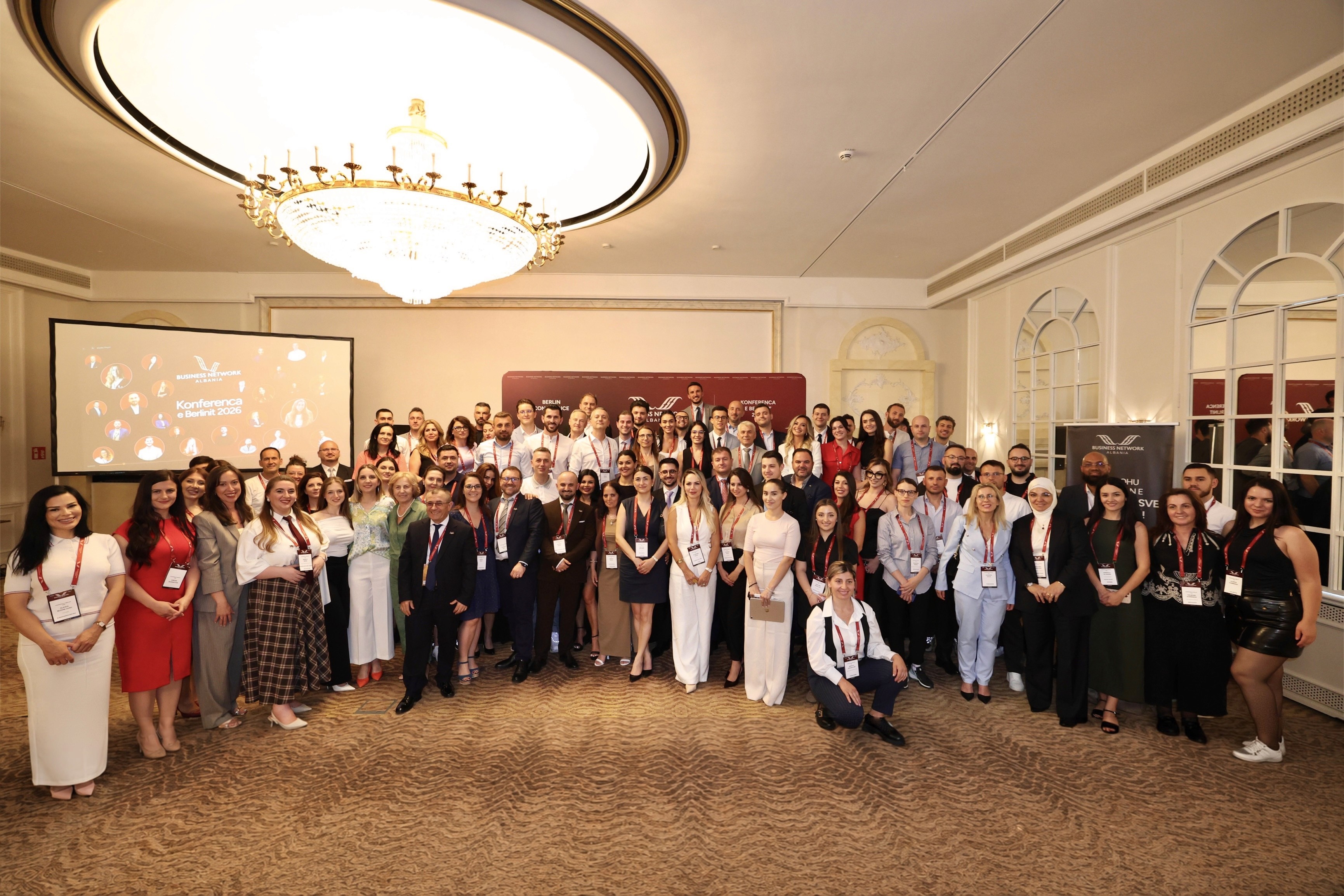
BNA marked another success with its conference in Berlin.
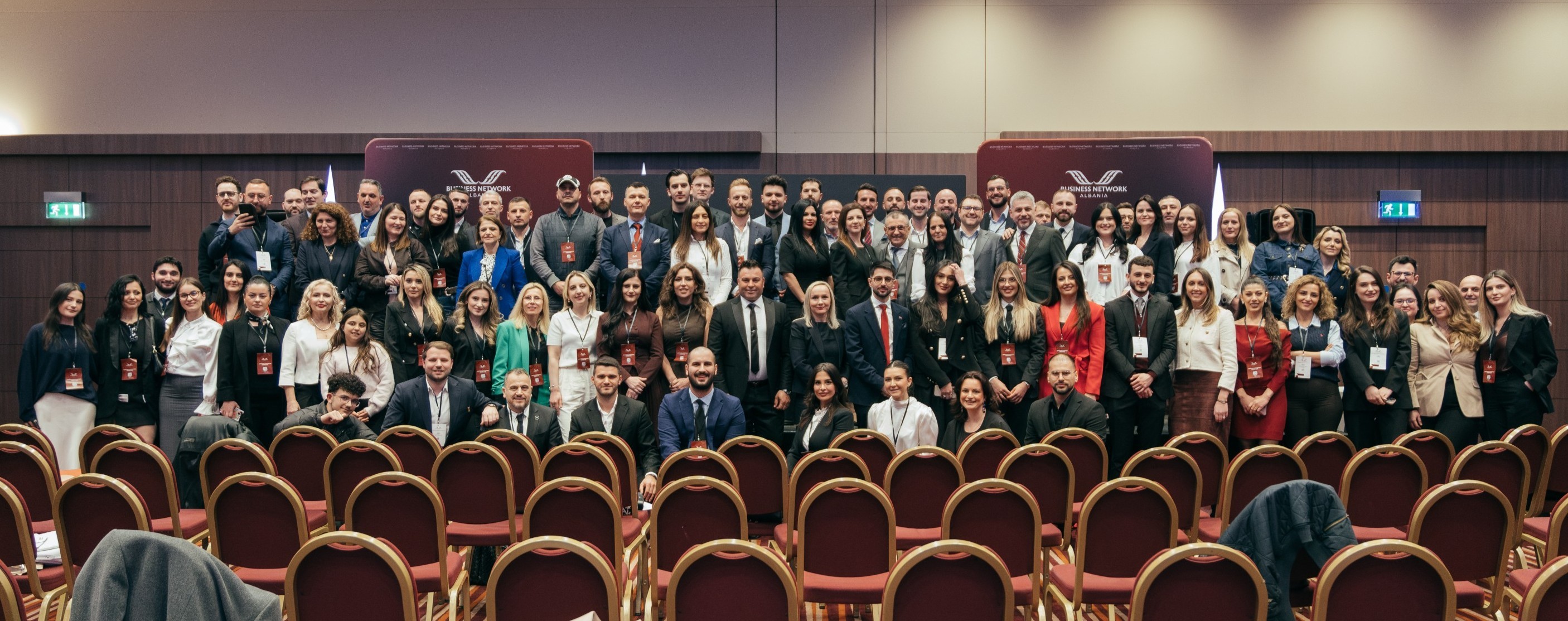
London Economic Conference 2026 - International Cooperation in the United Kingdom

Albanian Business Outlook 2025–2026: From Survival to Intelligent Growth
Ready to join our ecosystem?
More than 215 Albanian members around the world have chosen to be part of BNA.
Join BNA