
Albanian Business Outlook 2025–2026: From Survival to Growth with Intelligence
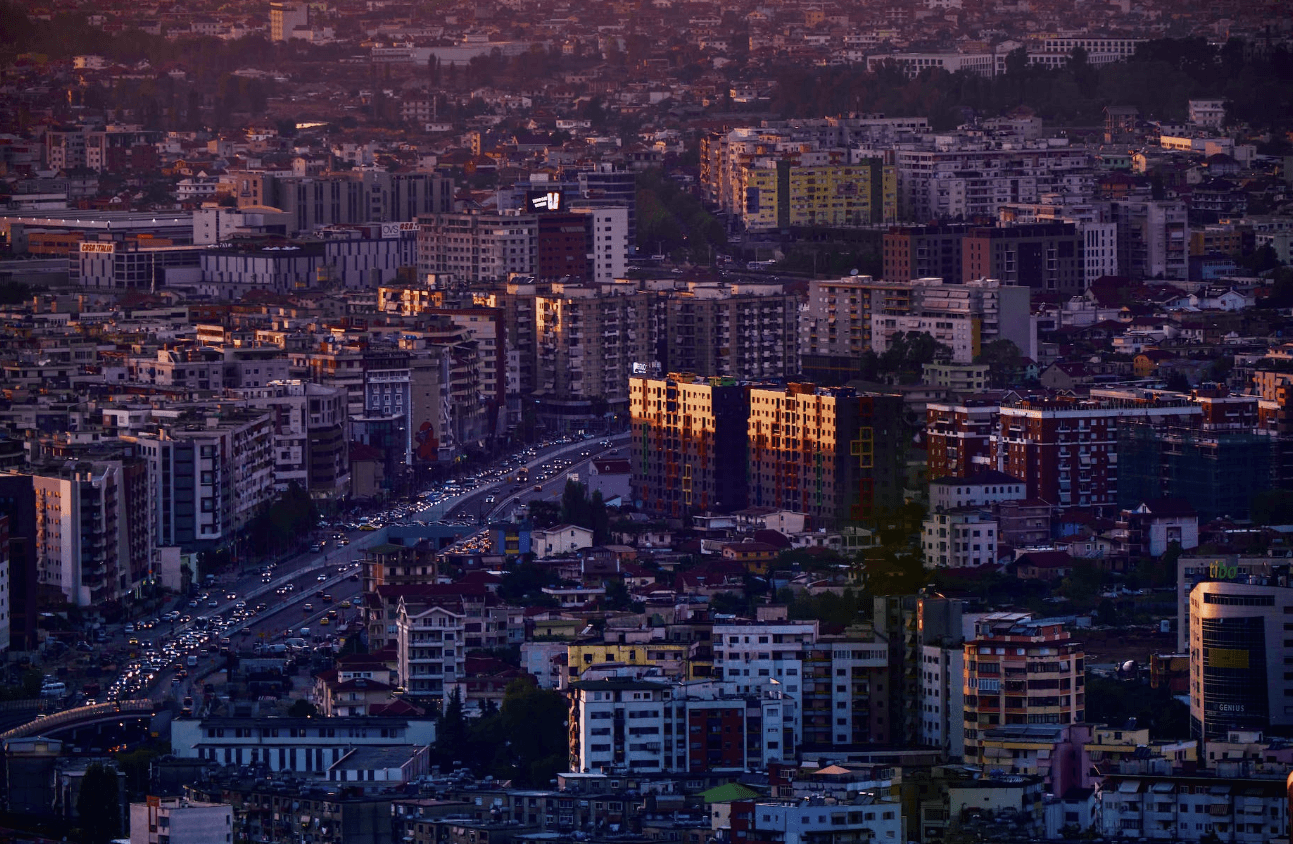
Today, doing business in Albania takes more than courage. It takes analysis, planning, and the use of data. While the economy is forecast to grow by around 3.1% in 2026, this growth is not distributed evenly across all sectors. Albania is entering a new phase in which the gap between businesses that grow and those that merely survive is becoming more and more visible.
The boom in new businesses recorded last year
According to the end-of-January results from the National Business Center (QKB), more than 20,765 new businesses were registered during 2025, a significant increase compared with around 17,500 in 2024 and 16,800 in 2023. Tirana remains the epicenter of economic activity, with over 50% of new businesses opened in the capital, a figure that translates into around 11,000 registrations within the year, making competition in the capital more intense than ever. The cities that follow Tirana are Durrës, with around 2,000 businesses on the register, followed by Vlora and Fier with over 1,000 businesses each.
One positive development is the rise in female entrepreneurship: around 6,000 new businesses are led by women. The impact of digital marketing, modern management, and online services has been decisive in the success of these initiatives.
E-commerce is spreading more and more across the whole region. The online sales market in Albania is forecast to reach USD 0.72 billion this year, with annual growth of around 13%. However, out of more than 160,000 active businesses, around 90% remain microbusinesses with 1–4 employees. The main challenge is the transition from family business to sustainable small and medium-sized enterprises.
Exports and the 2025 trade balance in the region
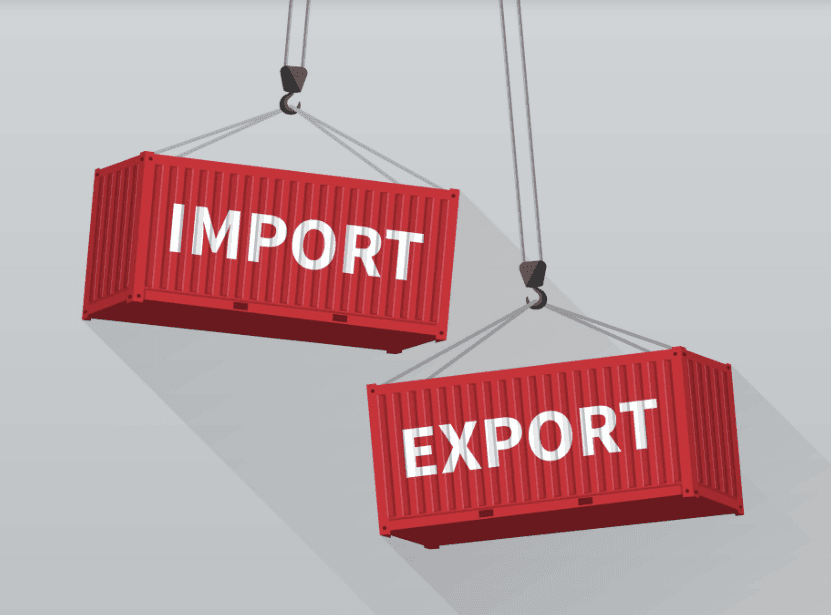
According to the latest data from INSTAT, Albania has lost around 12 billion lekë in trade surplus with Kosovo and around 5 billion lekë in exports to Serbia over the last two years. The trade balance with the region fell from 12.8 billion lekë in 2024 to just 3.3 billion in 2025. Exports shrank by 7%, while imports rose by almost 8%.
The largest decline was recorded in the construction materials and metals sector (-7% in 2025 alone), as well as in minerals, fuels, and electricity (-24%). Meanwhile, imports of food and beverages from Serbia grew by more than 617 million lekë, reflecting the Albanian market's growing dependence on Serbian food products. Chemical and plastic products and construction materials also recorded significant increases.
Serbia is strengthening its role as the main supplier in the region, placing Albanian domestic production up against ever stronger competition.
What do businesses need in order to grow in 2026?
Formalization and “Fiscal Peace”
The new fiscal package has been in effect since January 1, 2026. Businesses with a turnover above 14 million lekë can enter into agreements with the tax administration for a predictable tax base. This stability should be used for long-term investment planning.
Digitalization
With over 88% active internet use, the Albanian consumer is already digital. The businesses that grow are those that use electronic services and invest in digital payments, which have grown by over 40% in recent years.
Strategic partnerships
With labor costs rising and the minimum wage heading toward 500 euros, productivity growth comes through collaboration. Small businesses should share the costs of logistics, marketing, and technology.
The years 2025–2026 mark the shift from spontaneous growth to managed growth. Tourism and construction are stabilizing, while professional services and technology are creating the new economic value. The businesses that will survive and grow are those that invest in knowledge, digitalization, and collaboration.
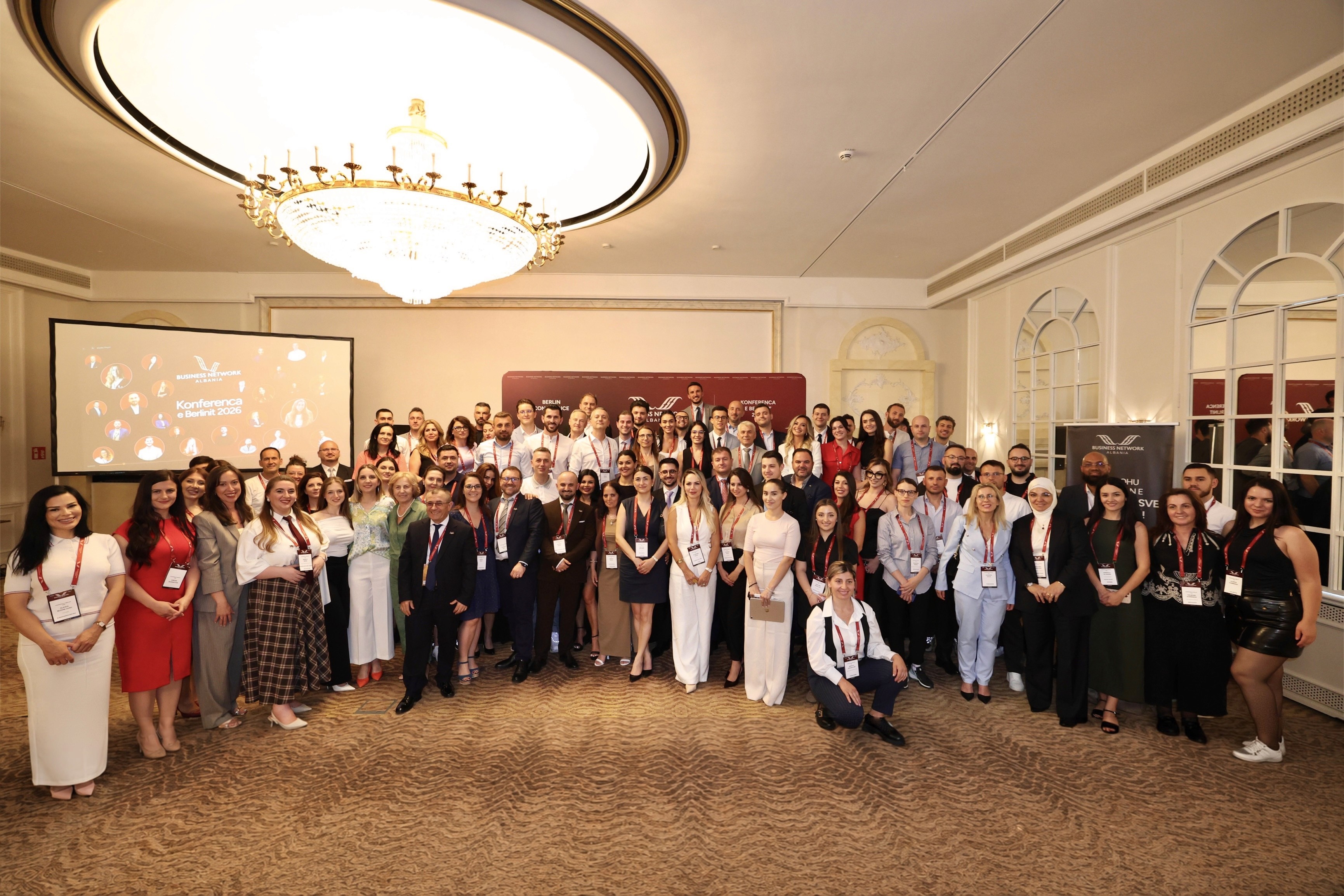
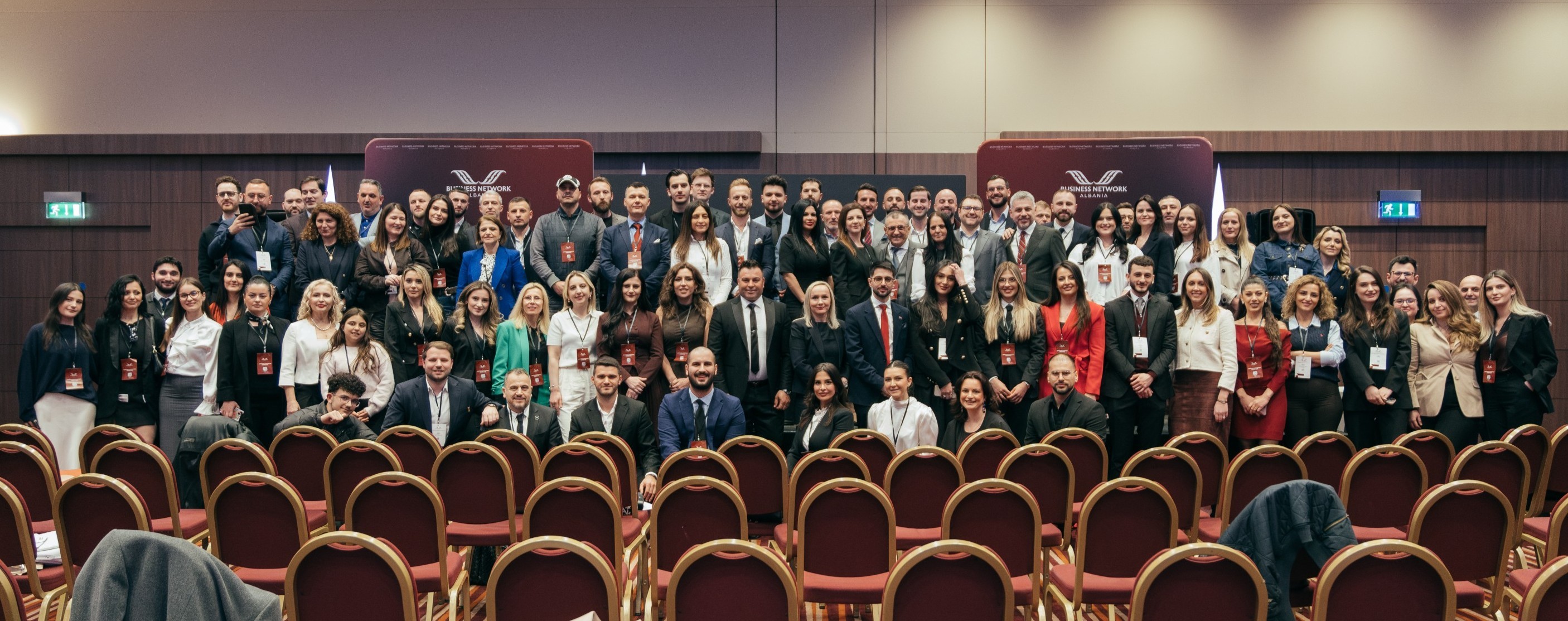
Business Network Albania aims to remain an active platform for dialogue, analysis, and partnership beyond the region as well, helping Albanian entrepreneurs in Albania and the diaspora make better-informed decisions and build more sustainable business models in an increasingly competitive market.
Ready to join our ecosystem?
Over 215 Albanian members worldwide have chosen to be part of BNA.
Join BNA