
Urban Regeneration through Tourism Projects
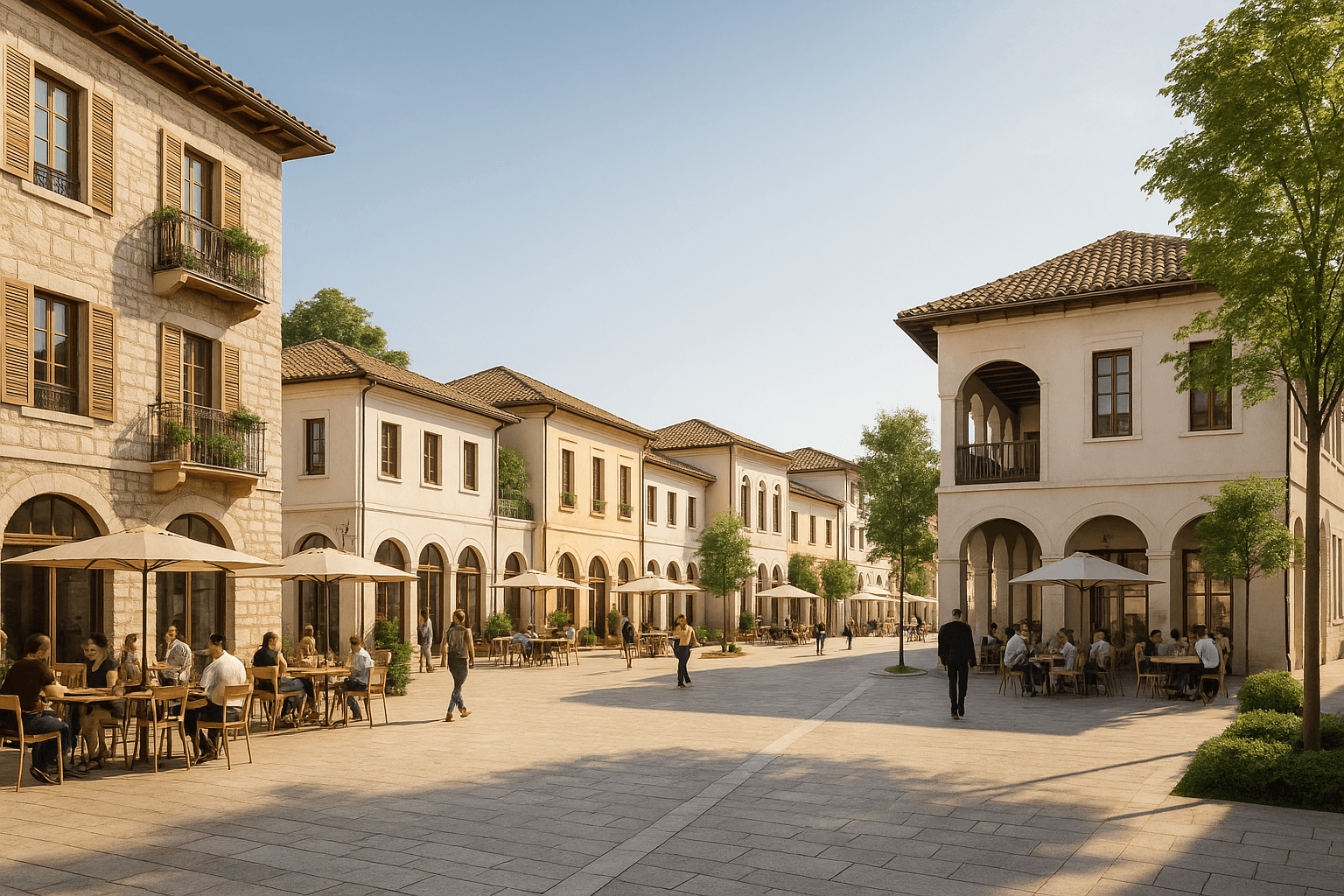
Urban Regeneration through Tourism Projects
Urban regeneration is an important process for improving degraded urban and rural areas, turning them into functional and attractive spaces for residents and visitors. In Albania, tourism is playing a major role in this transformation, bringing investment, jobs and the preservation of heritage.
Summary of Key Points:
Tourism as an economic engine: Investment in infrastructure and restoration is boosting economic activity and quality of life.
Heritage preservation: Cities such as Gjirokastra and Berat are maintaining their historic identity through regeneration projects.
Rural development: Areas such as Thethi and Vermosh are benefiting from rural tourism and infrastructure improvements.
Funding sources: The Law on Strategic Investments and public-private partnerships are key to the projects.
Community involvement: Local residents and businesses are active participants in these transformations.
Challenges and Opportunities:
The need for better coordination between institutions and investors.
Long-term planning to avoid overtourism and to protect natural areas.
With a well-coordinated approach, Albania has great potential to transform its urban and rural areas into attractive and sustainable destinations for tourists and residents alike.
Key Drivers of Urban Regeneration through Tourism
Sources of Investment and Financing
Every urban regeneration project begins with an essential element: financing. In Albania, several mechanisms have been created to attract investment in the tourism sector. One of them is the Law on Strategic Investments, which, since its adoption in 2015, has offered fast-track procedures and significant incentives for domestic and foreign investors. This law is valid until December 31, 2023.
"Most of the roughly 50 approved projects focus on the tourism sector, and the projects are dominated by domestic investors."
– United States Department of State
It is interesting to note that domestic investors are leading these projects, a clear sign of confidence in tourism's potential to transform urban areas.
In addition, public-private partnerships and Foreign Direct Investment (FDI) are key sources of capital. In 2022, Albania attracted an inflow of US$1.44 billion. Institutions such as the International Monetary Fund and the European Union have also contributed funds to projects related to economic recovery and urban regeneration. These financial resources not only support the projects but also help involve the local community in the process.
Community and Stakeholder Involvement
No urban regeneration project can succeed without the involvement of local residents. They are the main beneficiaries, but they also contribute their knowledge of the area's needs and unique characteristics. A process that involves the community at the planning stage is more likely to be accepted and sustainable.
Local businesses, such as restaurants, hotels, artisan shops and tourism services, are a direct part of this transformation. They not only benefit from regeneration but also play an active role in implementing the projects. In this process, local authorities act as a link between stakeholders, ensuring that projects are in harmony with the urban plan and respect cultural and environmental heritage.
A good example is Business Network Albania, which can serve as a platform to connect entrepreneurs and investors with urban regeneration projects. When the community and investors work together, the result is development that preserves cultural identity and improves quality of life.
Heritage Preservation and Long-Term Planning
One of the biggest challenges in urban regeneration through tourism is finding a balance between modern development and the preservation of cultural heritage. Albania enjoys an extraordinary architectural and cultural wealth, which must be protected for future generations.
Long-term planning is the key. This process involves more than restoring historic buildings: it also requires building infrastructure that supports tourism without harming the environment or the unique character of the area. Best practices include the use of traditional materials, archaeological studies and the training of local specialists for sustainable maintenance.
Another important aspect is assessing the area's capacity to cope with tourist flows. Experience from other destinations that have suffered from overtourism offers valuable lessons. Monitoring economic, social and environmental impact is essential to ensure that projects are on the right track and, where necessary, that strategies are adapted.
Finally, cooperation between different levels of government is vital to the success of these initiatives. Only through good coordination can urban regeneration be achieved that is sustainable and beneficial for everyone.
Types of Urban Regeneration Projects in Tourist Areas
City Renovation Projects
Albania's historic cities have undergone a visible transformation, preserving their precious heritage while adapting to the modern demands of tourism. These projects have brought not only visual changes but also economic improvements for local communities.
In Berat, known as the "City of a Thousand Windows," projects have been undertaken to restore the Mangalem and Gorica neighborhoods. These include repairing cobblestone streets, restoring traditional facades and improving the water supply system. The result? A significant increase in visitor numbers and more employment opportunities for residents.
Gjirokastra has followed a similar path, preserving its traditional stone architecture. Infrastructure improvements, such as sewerage and electricity, have been carried out without damaging the historic appearance. These efforts have helped the city retain its UNESCO World Heritage status while offering better conditions for tourists.
In historic centers, the creation of pedestrian spaces has markedly improved the visitor experience and residents' quality of life. Reduced noise and pollution have brought a calmer and cleaner atmosphere. While these improvements are visible in cities, rural areas have also benefited from similar initiatives.
Rural Development in Tourist Villages
Albania's mountain villages are experiencing a renaissance through rural tourism, preserving traditions while improving infrastructure.
In Lepushë, a beautiful area in Malësia e Madhe, marked hiking trails have been built and the access road has been improved. Local residents have been trained in agritourism and have opened their homes to visitors, creating a sustainable source of income.
Vermosh, the highest village in Albania, has benefited from investment in electricity supply and the construction of a tourist information center. These improvements have helped develop winter tourism, opening new horizons for the local economy.
Thethi, a well-known destination, has benefited from projects to restore the Lock-in Tower and improve the trail to the Grunas Waterfall. Camping infrastructure has also been built, making the area an attraction for thousands of tourists every year and creating employment opportunities for young people.
Infrastructure Improvements for Better Access
Improving infrastructure is a key pillar of tourism development and urban regeneration. Investment in transport and access has opened up new tourist areas and made it easier to visit existing destinations.
Rruga e Kombit (Nation's Road) is a prime example. It has significantly shortened travel time between the north and south of the country, enabling tours that connect different destinations and providing access to previously unreachable mountain areas.
On the Albanian Riviera, the widening of coastal roads and improvements to water supply systems have helped the development of mass tourism in destinations such as Dhërmi, Himara and Ksamil. These projects have created thousands of jobs in the services sector.
Kukës Airport is another investment aimed at bringing international tourists to northern Albania. This project is expected to ease access to the Albanian Alps and boost the development of mountain tourism.
The modernization of ports, such as those of Sarandë and Vlorë, has increased capacity and improved services for visitors arriving by ship from neighboring countries. Moreover, improvements in digital infrastructure have brought modern services even to the most remote areas, including online booking and electronic payments, which are increasingly important for today's tourists.
Assessing Economic, Social and Environmental Impact
Economic Benefits and Opportunities
Urban regeneration projects linked to tourism are having a noticeable impact on the local economy. Through investment in restoration and infrastructure improvements, these initiatives are helping to develop local businesses and create new jobs. As a result, economic activity in these areas is gaining momentum, becoming a driver of sustainable economic growth.
Social and Community Improvements
Beyond the economic benefits, social impact is another important pillar of these projects. Urban regeneration is positively affecting residents' quality of life. Public spaces have been transformed, creating safer and more attractive environments. These changes are helping bring communities back to historic and rural areas, improving mobility and encouraging residents' active involvement in preserving cultural heritage.
Environmental Impact and Long-Term Planning
An important aspect of these transformations is environmental protection. In sensitive natural and cultural areas, tourism development has been steered toward a sustainable approach. This includes visitor management, ongoing monitoring of environmental impacts and investment in renewable energy sources. Moreover, long-term planning aims to create protected areas and promote controlled tourism, maintaining a balance between economic development and the protection of nature.
Partnerships and the Role of Business Network Albania
How BNA Helps with Urban Regeneration Cooperation
When it comes to urban regeneration projects, their success is determined by strong cooperation among different stakeholders. Business Network Albania (BNA) is a bridge that brings together entrepreneurs, investors and professionals, creating new opportunities for tourism-related projects.
Thanks to its global network, BNA helps facilitate communication between parties who share a common vision for urban regeneration. Moreover, the organization helps identify and secure suitable financing for these projects. All of this is backed by a wide range of specialized services offered to all stakeholders.
Services BNA Offers for Urban Regeneration
BNA has created a platform that offers numerous services for those engaged in urban regeneration projects. One of the key features of this platform is its networking events, where entrepreneurs can meet, share ideas and build new connections. These events are an excellent opportunity for investors looking for projects and for entrepreneurs with concrete ideas.
Long-Term Support through BNA
Membership in BNA is not simply an opportunity to benefit from its services, but also an investment in the long-term development of projects. The organization helps create strategic partnerships, offers international training and facilitates access to financing sources to ensure the continuity of tourism projects.
The international training offered by BNA is an important resource for professionals, equipping them with new knowledge about global trends in tourism and urban regeneration. This knowledge helps create projects that can compete in the international market. Moreover, BNA's investor network makes it possible to find suitable financing for different projects.
BNA's digital platform is a central hub for sharing information and experiences. This approach helps raise standards for tourism projects in Albania and ensures continuous improvements in urban regeneration.
Conclusion: Opportunities for Urban Regeneration in Albania
Albania is at an important moment for urban regeneration and tourism development. Through projects that combine tourism and urban regeneration, the country has the opportunity to achieve sustainable economic growth while preserving its rich cultural heritage.
Turning these opportunities into reality requires concrete action. Albania has extraordinary potential to turn urban areas into attractive destinations for tourists. The historic centers of cities such as Shkodër and Korçë offer a strong foundation for development, while mountain villages can become key hubs for rural tourism. The key to achieving these goals lies in close cooperation between institutions, communities and the private sector.
Successful projects require an approach built on several main pillars. Investments that preserve urban identity and encourage local development are essential for creating a balance between economic development and heritage protection. This is a challenge that can only be overcome through a clear vision and sustained cooperation.
In this regard, the role of strategic partnerships is irreplaceable. For example, Business Network Albania (BNA) plays a key role in connecting investors and professionals from different fields. Through its global network, BNA helps create collaborations that bring tangible transformations to cities and rural areas.
The future of urban regeneration in Albania depends on our ability to build a strong cooperation network, in which all stakeholders work toward a common goal. This approach requires a long-term vision and ongoing commitment.
With the right resources, strong partnerships and a well-coordinated strategy, Albania has every opportunity to become a success story for urban regeneration in the region.
FAQs
How do tourism projects affect urban regeneration and the benefits for local residents?
Tourism projects that focus on urban regeneration bring a range of benefits to local communities. They help improve infrastructure, including roads, parks and public spaces, which directly affects residents' quality of life. Moreover, these projects open the door to new employment and economic development, offering families and local communities new opportunities to benefit from the growth of tourism.
Another important aspect is the promotion of sustainable tourism, which encourages community involvement in decision-making processes and highlights the area's cultural heritage. This involvement not only strengthens residents' connection to their city but also contributes to preserving local traditions and values. In this way, residents not only improve their daily lives but also become active participants in the continuous and sustainable development of their city.
What are the main challenges Albania faces in urban regeneration through tourism projects?
Albania is facing several major challenges in its efforts at urban regeneration linked to the development of tourism projects. One of the main problems is the lack of well-structured planning, which often leads to disorganized development of urban areas. This situation causes not only infrastructure strain but also negative environmental impacts.
Another sensitive point is the protection of cultural and architectural heritage. In many cases, these precious assets are put at risk during urban transformations, thereby losing an important part of local identity. Moreover, the implementation of quality standards in the tourism sector remains a challenge, while insufficient investment limits the potential for sustainable development in this field.
Resolving these challenges requires a combination of strategic investments and effective cooperation between local and international actors. A comprehensive approach, one that takes into account community needs and the preservation of local identity, is essential to ensure balanced and long-term development.
How does Business Network Albania support urban regeneration projects in Albania?
Business Network Albania (BNA) plays a key role in supporting projects that transform urban spaces, building bridges between entrepreneurs, investors and business leaders. At its core, BNA provides a platform where new ideas and fruitful collaborations come to life.
Through this platform, BNA helps uncover new investment opportunities and offers personalized advice for projects aimed at improving urban spaces. These projects not only have a positive effect on infrastructure but also boost the development of tourism in Albania. Their approach is clear: to attract strategic investment that strengthens the local economy and improves quality of life for communities.
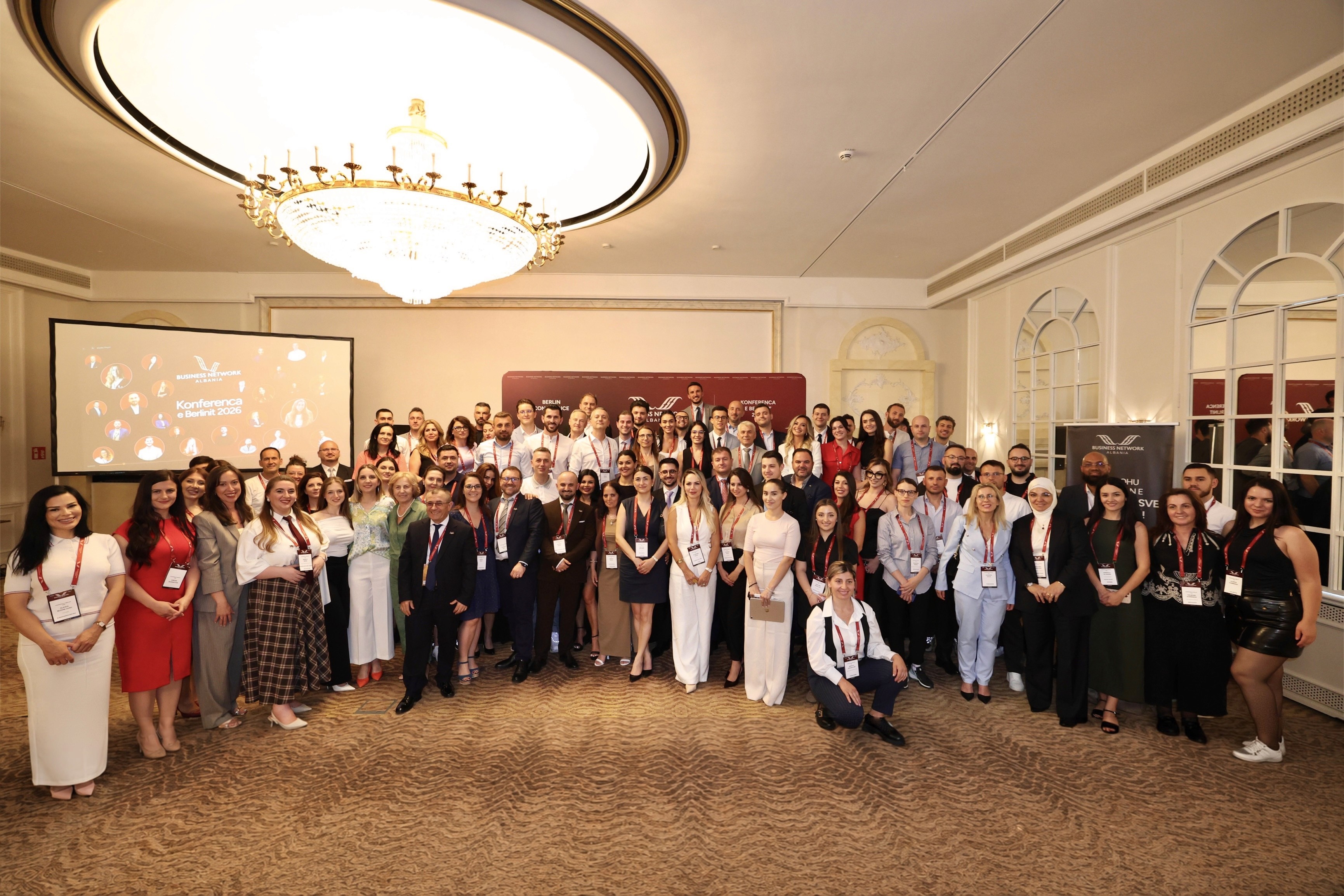
BNA marked another success with its conference in Berlin.
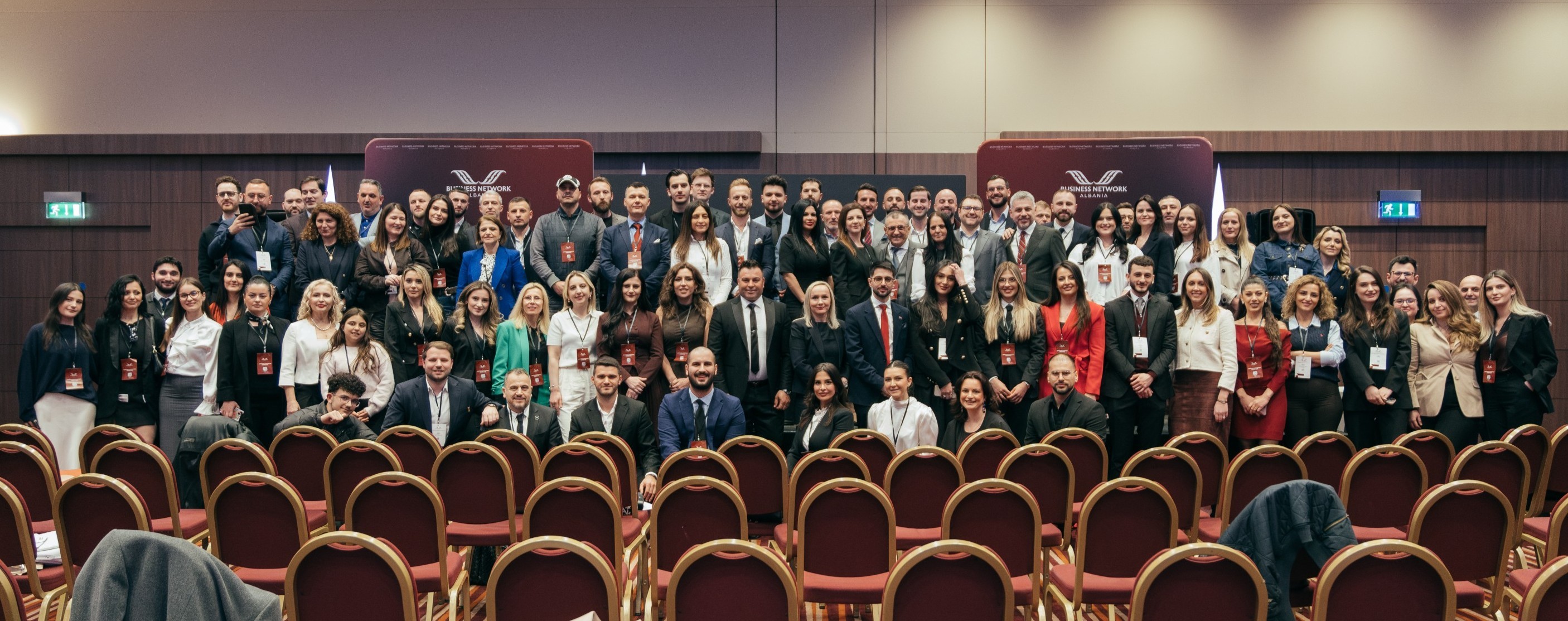
London Economic Conference 2026 – International Cooperation in Great Britain
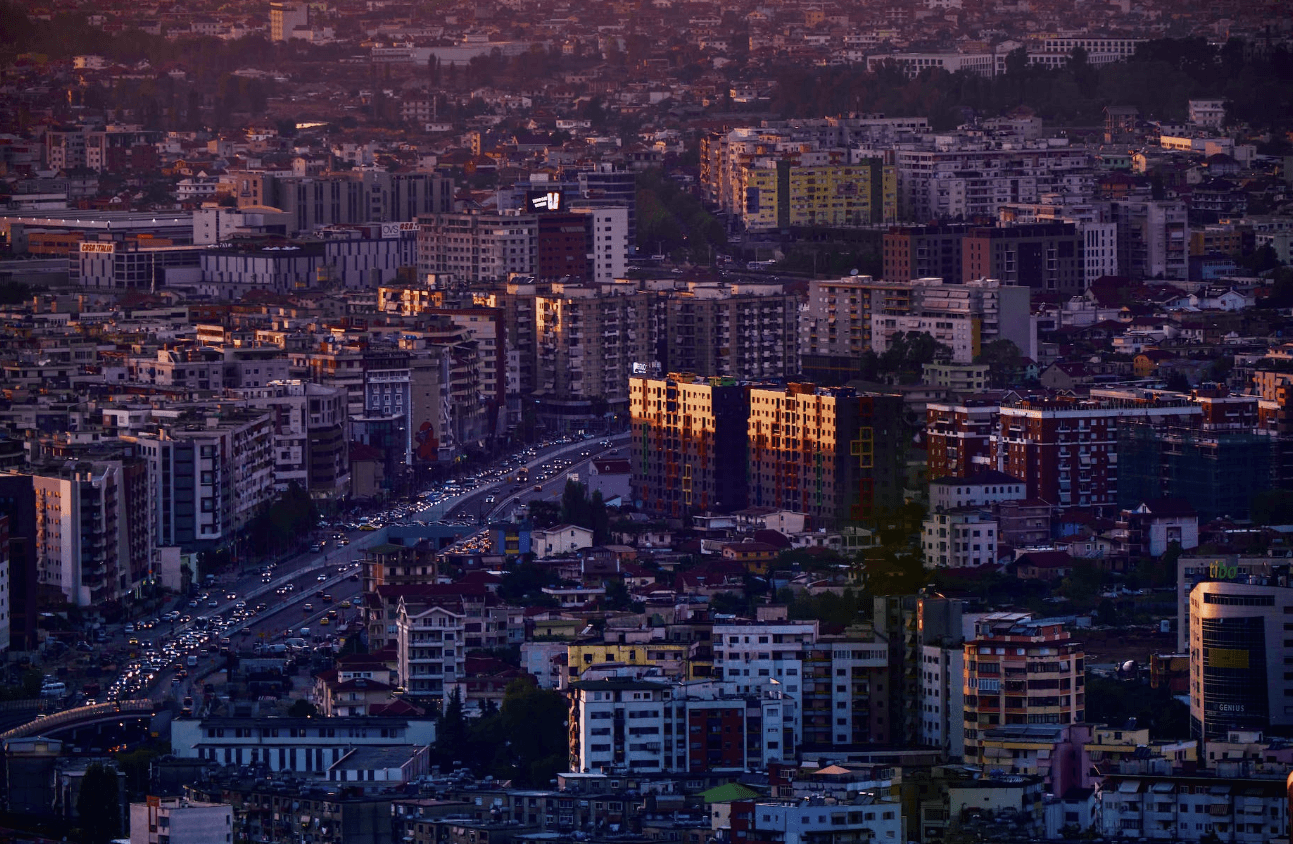
Overview of Albanian Business 2025–2026: From Survival to Growth with Intelligence
Ready to join our ecosystem?
Over 215 Albanian members around the world have chosen to be part of BNA.
Join BNA