
Opportunities for the Development of Agritourism
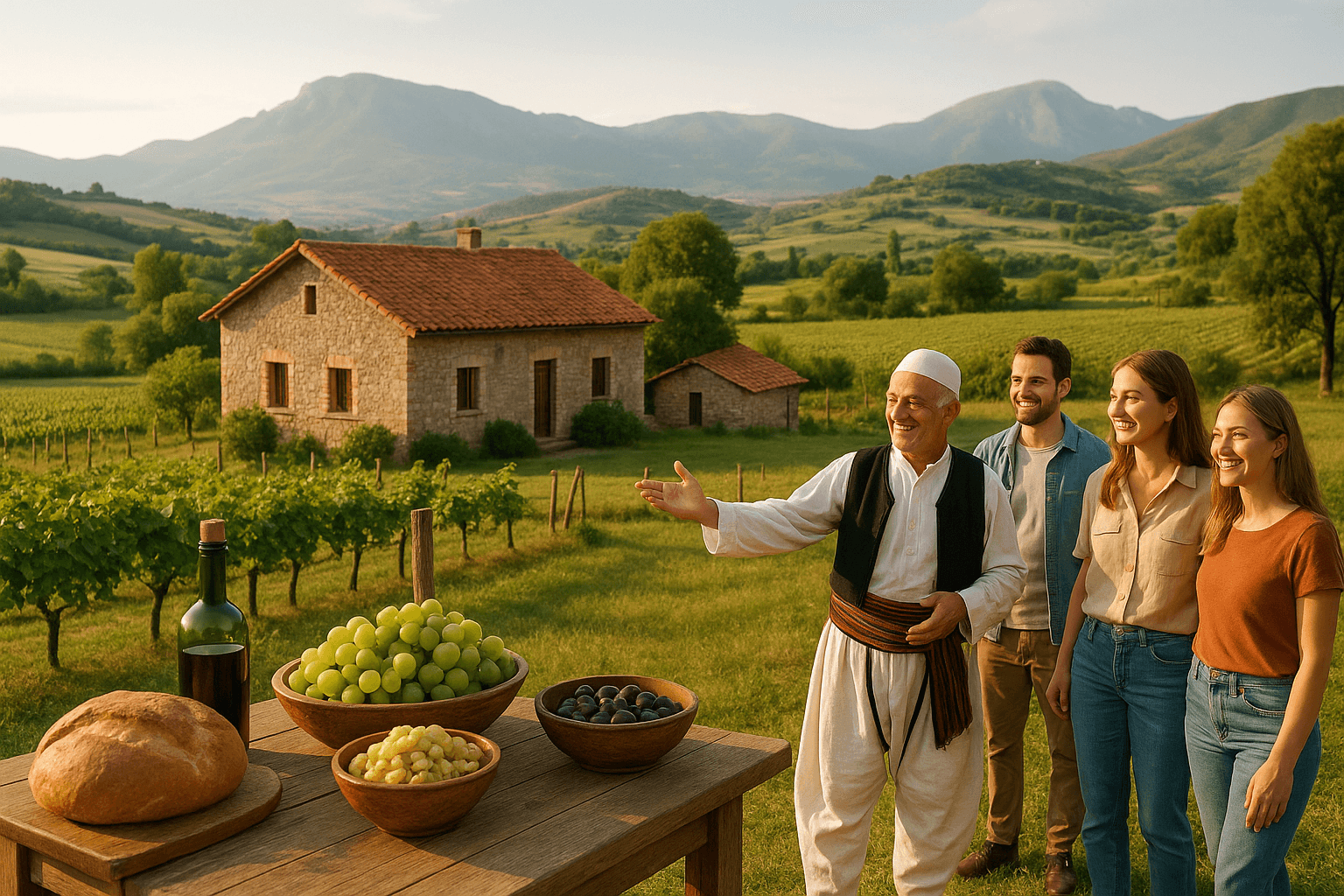
Opportunities for the Development of Agritourism
Agritourism combines agriculture and tourism to create distinctive experiences in rural areas. Albania, with its pristine landscapes and rich traditions, has great potential for this sector. Farms such as Farma Sotira and Ferma Lile are successful examples that offer accommodation, local food and nature activities.
Why does Albania have potential for agritourism?
Growth in tourism: 10 million tourists in 2023.
Agriculture contributes 19.3% of GDP and supports 33.8% of employment.
Government support: grants, favorable loans and VAT reductions for agritourism businesses.
Successful business models include:
Family farms offering local food and accommodation.
Activities such as camping, horseback riding, food tasting and cooking classes.
Integration of local heritage to attract visitors.
Support for entrepreneurs:
Grants of up to €5,000 and loans at low interest rates.
Tax exemptions and programs such as the "Mountain Package".
Agritourism in Albania is an opportunity for economic development and for improving life in rural areas. With the right support, this sector can become an important pillar of the Albanian economy.
Types of Agritourism Businesses
Having looked at a few existing projects, let us take a closer look at the different business models that are helping to develop agritourism in Albania.
Farm Business Models
In Albania, the cooperation between agriculture and tourism has produced several successful models. Family farms are the foundation of this initiative, offering authentic experiences to visitors. This model relies on small farms, which are typical of Albanian agriculture.
A prominent example is Mrizi i Zanave, which started as a restaurant and grew into a full complex with accommodation, agricultural production, a winery and a distillery. This business employs around 70 people and works closely with local farms.
Polyculture farms, such as UKA Farm, combine organic production with a winery and a farm-to-table restaurant. Visitors can enjoy the natural beauty and the vineyards this farm offers.
On the other hand, specialized farms such as Enol Winery focus on tasting wine and local organic foods, while Agroturizëm Alpeta combines viticulture, a farmhouse and a restaurant for a complete experience. These different models show how unique experiences can be built, moving on to the activities that bring these businesses to life.
Common Agritourism Activities
Beyond the business models, the activities offered on agritourism farms are what make these experiences unforgettable.
Staying on the farm is one of the main activities, allowing visitors to take part in the farm's daily chores. Another very popular activity is food tasting. For example, Agroturizëm Gjepali offers traditional dishes prepared with local and seasonal produce.
Outdoor activities are also important. Some farms offer options such as horseback riding, fishing or boating. Agroturizëm Huqi offers a relaxing lakeside experience with fishing and boat rides, while Kodra e Kuajve combines accommodation, a restaurant and horseback riding experiences for an all-inclusive offering.
Cooking and harvesting classes are an opportunity for visitors to learn more about food production processes. Kantina Nurellari offers vineyard tours, wine tasting and participation in the harvest. Meanwhile, Blerina Farm offers a mini-farm, a restaurant with local products and a 20-room hotel for accommodation. All of these activities are enriched even further by the cultural elements that accompany them.
Using Local Heritage and Traditions
Albanian heritage, rich in influences from ancient traditions, the Ottomans and Europe, adds a special dimension to agritourism. This includes wonderful landscapes, rare traditions and unique flavors.
Traditional music and dances are an essential part of the experience. Iso-polyphonic folk music, recognized by UNESCO as intangible cultural heritage, is an element that attracts many visitors. One example is the National Folklore Festival of Gjirokastër, which is held every five years and brings together artists from across Albania.
Traditional gastronomy also plays an important role. Many agritourism farms offer Albanian cuisine based on local ingredients. In addition, some wineries offer tastings and activities related to wine production.
Local festivals are another way to attract visitors. In Elbasan, for example, the "Summer Day" festival is celebrated on March 14. On this day, 'ballokume' are prepared, a traditional cookie that symbolizes abundance.
With more than 270 agritourism enterprises in Albania, integrating cultural elements and local heritage can create rich and unforgettable experiences for visitors.
Building Profitable Agritourism Businesses
Now that we have discussed the successful models, let us focus on the practical steps for creating a sustainable agritourism business. This sector requires good preparation, well-considered investment and smart use of the resources you have available.
Investment and Start-up Requirements
Opening an agritourism business involves a combination of physical, financial and human resources. For example, choosing land that is suitable for both agricultural activities and tourism is a key step. Likewise, building the infrastructure needed for accommodation and services is essential. Investing in modern equipment and hiring a capable team help deliver a quality experience for visitors. These elements create the necessary foundation for building a successful financing strategy.
Funding Sources for Agritourism
In Albania, the government has taken steps to encourage agritourism, particularly in mountain areas. These include low-interest loans and grants for entrepreneurs. An important example is the "Mountain Package", which offers financial support and fiscal incentives for Albanian emigrants and local residents. An interesting aspect of this package is the symbolic transfer of public land for €1 to those who have used it for more than 10 years. To benefit from these programs, entrepreneurs can submit their projects to local municipalities.
Another funding opportunity comes from the government program for 2021-2025, which offers grants of up to €5,000. Likewise, the Sustainable Rural Development Program, implemented by GIZ and financed by the Swiss Agency for Development and Cooperation with a fund of USD 4.5 million, aims to support rural tourism and strengthen the capacities of public and private institutions.
Once funding is secured, it is also important to understand the tax benefits this sector offers.
Tax Advantages
One of the main benefits for agritourism businesses is the reduced VAT rate of 6%. In addition, investors can benefit from other tax exemptions, such as a 10-year property tax exemption for certain major hotel brands. Likewise, five-star hotels and resorts, including agritourism facilities, benefit from the same 6% VAT rate.
Using Business Network Albania for Development
Building on these financial and tax opportunities, Business Network Albania plays an important role in helping agritourism entrepreneurs. This platform connects Albanian entrepreneurs, investors and business owners around the world, creating opportunities for new partnerships.
Through membership plans such as "Small Owner" (€150 per year) and "Executive" (€200 per year), members receive personalized advice on business development, financial management and marketing. The "Entrepreneur" plan (€250 per year) offers international training and mentoring, while the "Investor" plan (€350 per year) includes VIP access to events and networking with startups.
In addition, Business Network Albania helps promote businesses through its podcast and digital magazine, increasing the visibility of agritourism and connecting businesses with new investors and customers.
Legal and Tax Rules for Agritourism
If you aim to build a sustainable business in agritourism in Albania, it is important to know the legal rules that govern this sector. These rules not only ensure the protection of investments, but also create a suitable environment for local entrepreneurs and those from the diaspora. Let us take a closer look at the legal requirements, tax benefits and infrastructure projects that support this sector.
Legal Requirements for Agritourism
In January 2024, the Council of Ministers approved a series of new standards for the certification of agritourism businesses. These standards clearly define the criteria that farms and businesses must meet to operate in this sector. Under these rules, agritourism activity must be carried out on farms that meet certain specific conditions regarding land size or livestock scale.
Farms must have at least one hectare of cultivated land or 0.5 hectares of greenhouses.
In the case of livestock, at least 10 head of cattle, 100 goats or sheep, or 200 chickens are required.
In addition, agritourism businesses must provide core services such as accommodation, food and beverages, or recreational activities. For accommodation, facilities must have from 6 to 30 rooms and comply with the urban planning criteria of the area, preserving the traditional local style. For restaurants, high hygiene and sanitary standards are required, along with a capacity of 6 to 60 tables. Another requirement is that at least 30% of food and beverage products come from the farm, while 30%-70% must be local products from farmers in the same municipality.
The certification of these businesses will be carried out by a five-member commission, which will assess whether all the established criteria are met.
Tax Benefits for Agritourism Businesses
Beyond the legal rules, the government has offered tax incentives that make this sector more attractive to investors. One of the main measures is the reduction of the income tax rate from 15% to 5% for licensed agritourism businesses. This favorable rate applies for a period of 10 years.
In addition, the first 500 applicants benefit from a 10-year tax exemption, under a government program. To benefit from these facilities, entrepreneurs must follow the licensing procedures set by law.
Another form of financial support comes as a fund of 250 million euros, which provides agricultural loans at a low interest rate of just 2%. This gives entrepreneurs the opportunity to develop their agritourism projects at low financing costs.
Rural Infrastructure Development
The Albanian government has placed emphasis on improving rural infrastructure to encourage the development of agritourism. Through programs such as "Invest in Your Land" and the "Mountain Package", the aim is to support investment in rural areas and improve existing infrastructure.
A fund of 250 million euros has been dedicated to rural development and agriculture, addressing challenges such as difficulties in obtaining loans and the lack of infrastructure. Currently, only 2.1% of bank loans go to the agricultural sector, which makes this support even more important.
The "Sustainable Food Systems in the Mediterranean" (SFS-MED) project has organized local dialogues to find effective ways to improve agritourism, including the infrastructure aspect. One of the aims is to create a national map for the development of food systems and the improvement of land ownership in rural areas.
Investment Opportunities for Local and Diaspora Investors
Agritourism in Albania is experiencing rapid expansion, opening doors for investment for both local entrepreneurs and those from the diaspora. With a contribution of 26.4% to GDP, tourism is one of the main pillars of the Albanian economy. Forecasts show that by 2025, this sector is expected to reach a value of 685.3 billion lek (about 7.3 billion dollars).
Market Demand for Agritourism
Albania is becoming a preferred destination for those seeking authentic and sustainable experiences. In 2024, the country welcomed 11.7 million international visitors, while protected natural areas attracted over 4.5 million visitors and cultural sites welcomed over 1 million tourists.
With growing demand for ecological tourism and unique experiences, Albania offers affordable alternatives for farm stays and eco-lodges, competing with destinations such as Italy, France or Spain, but without compromising on quality.
In just nine months of 2024, tourism generated revenues of 3.8 billion euros. Moreover, the 2025 budget increased by 7.9%, reaching 3.9 billion lek. This growth has paved the way for more investment from the diaspora, which we will examine below.
Albanian Diaspora Investment in Agritourism
The Albanian diaspora plays an important role in the development of agritourism, contributing to the local economy and the creation of new jobs, particularly in rural areas. One of the main initiatives is the "Mountain Package", a program that aims to attract investment from the diaspora to mountain regions. This package includes incentives such as tax exemptions and land transfers.
"The Mountain Package is a recent initiative launched by the Albanian government to encourage Albanian emigrants to return and invest in their homeland." - Eurofast
The program encourages the diaspora to develop projects that include eco-resorts, agritourism and organic farming, working with local residents to ensure long-term use of the land for at least 10 years.
A successful example is the Lile family, which manages a farm and restaurant near the Benja Thermal Baths, in the Vjosa Wild River National Park. They produce traditional Albanian and Greek foods, including wine, glyko (fruit preserve) and raki, all from their own produce.
Support Programs for Young Entrepreneurs
Supportive policies are strengthening diaspora investment and encouraging young entrepreneurs to enter the agritourism sector. A financing scheme of 250 million euros has been created to develop rural areas and agriculture, including agritourism.
Organizations such as Business Network Albania provide a platform for entrepreneurs seeking help to develop their agritourism businesses. This includes personalized consultations, investment opportunities and mentoring programs. The "100 Villages" project is another initiative that aims to revitalize rural areas through networks of investment in agritourism and ecotourism, creating new jobs.
Young entrepreneurs can seek help from Eurofast's office in Tirana for developing business plans, licensing and legal support. Likewise, at Business Network Albania we have member law firms that provide legal and fiscal advice to ensure compliance with investment incentives.
These initiatives provide a strong foundation for the development of agritourism in Albania, combining the potential of the diaspora with the energy of young local entrepreneurs.
Conclusion: The Potential of Agritourism in Albania
Agritourism in Albania is a great opportunity for economic development, while at the same time preserving nature and traditions. With tourism accounting for around 17% of GDP, combining this sector with agriculture creates a strong basis for long-term development. This clearly shows the importance of investing in agritourism.
The growing demand for authentic and sustainable experiences is a positive sign. Albania, where 85% of cultivated land is managed by family farms with an average size of 1.2 hectares, has extraordinary potential to develop this sector.
What makes Albania special is its natural beauty, rich biodiversity and rich culinary traditions. Most agritourism businesses follow the "farm-to-table" model, preserving agricultural biodiversity and promoting sustainable practices.
An important example of cooperation in this field is the local dialogues organized by FAO in Belsh, Përmet and Shkodër in 2022. These meetings brought together farmers, entrepreneurs, microfinance institutions and community representatives to discuss ways to improve agritourism.
"I learned that agritourism entrepreneurs need to act as guides for farmers in their area: how to produce, what to produce and when it will be needed. So, they should combine their business with the small family businesses around them. This happens already, but it's sporadic; we must push this more as a business model because there is agritourism potential everywhere in Albania's rural areas."
– Eldi Ceco, ABA Centre
In this regard, Business Network Albania plays an important role by providing support to entrepreneurs who want to develop sustainable businesses in the agritourism sector. This approach helps not only local economic development, but also the preservation of cultural heritage.
By linking agriculture, tourism, infrastructure, marketing and local economies, agritourism creates new opportunities for women and young people, reducing the gaps between rural and urban areas. With the support of institutions, investment from the diaspora and the commitment of local entrepreneurs, agritourism can become a key pillar for Albania's rural development, ensuring a better future for generations to come. This is in line with the earlier strategies and paves the way for sustainable development in this sector.
How to Start an Agritourism Business in Albania
To start an agritourism business in Albania, you need to follow several important steps. Begin by registering your business through the e-Albania online platform and opening a bank account dedicated to the business. These are the first steps to ensure that your activity operates legally.
Next, create a detailed business plan. This plan should include your main goals, the strategies you will use to achieve them and the resources you will need. A well-structured plan will help you stay focused and organized throughout the process.
To make your dreams a reality, make sure you have the necessary funding. You can use your savings, apply for bank loans, or seek grants dedicated to agritourism. These financial resources will be essential for covering initial costs and growing your business.
In addition, it is essential to obtain the proper permits from local and central authorities. This includes any documentation required to ensure that your business complies with legal regulations and standards.
Finally, focus on creating a special and sustainable experience for your visitors. Make use of the natural assets and traditions of your area to offer an experience that reflects the authenticity and beauty of Albania. This will help attract tourists and build a strong reputation for your business.
What opportunities does the Albanian government offer to support agritourism financially and through taxation?
Support for Agritourism Entrepreneurs
Entrepreneurs operating in the agritourism sector in Albania can benefit from several facilities offered by the government, which aim to encourage the development of this sector. Here are some of them:
Tax exemptions and tax reductions: These measures are designed to encourage investment in agriculture and tourism, making it easier for entrepreneurs to develop their projects.
Financial support: Providing funds for projects that promote the development of rural areas, including improving infrastructure and protecting the environment.
Programs and strategic plans through 2025: These initiatives aim to create a sustainable basis for the growth of the sector, including projects that combine natural assets and cultural heritage.
These incentives are designed to support not only local entrepreneurs, but also those from the diaspora, helping them build sustainable and successful businesses in a sector with great potential for development.
How can the Albanian diaspora help in the development of agritourism in Albania?
The Albanian diaspora has a major impact on the development of agritourism in Albania. Through investment in rural projects, sharing their experience and knowledge, and promoting Albanian culture abroad, they make a valuable contribution to this sector.
Through funding, training and the organization of intercultural activities, the diaspora helps create new opportunities for economic development and the preservation of cultural heritage. These efforts not only empower rural areas, but also support the growth of the agritourism sector as a whole.
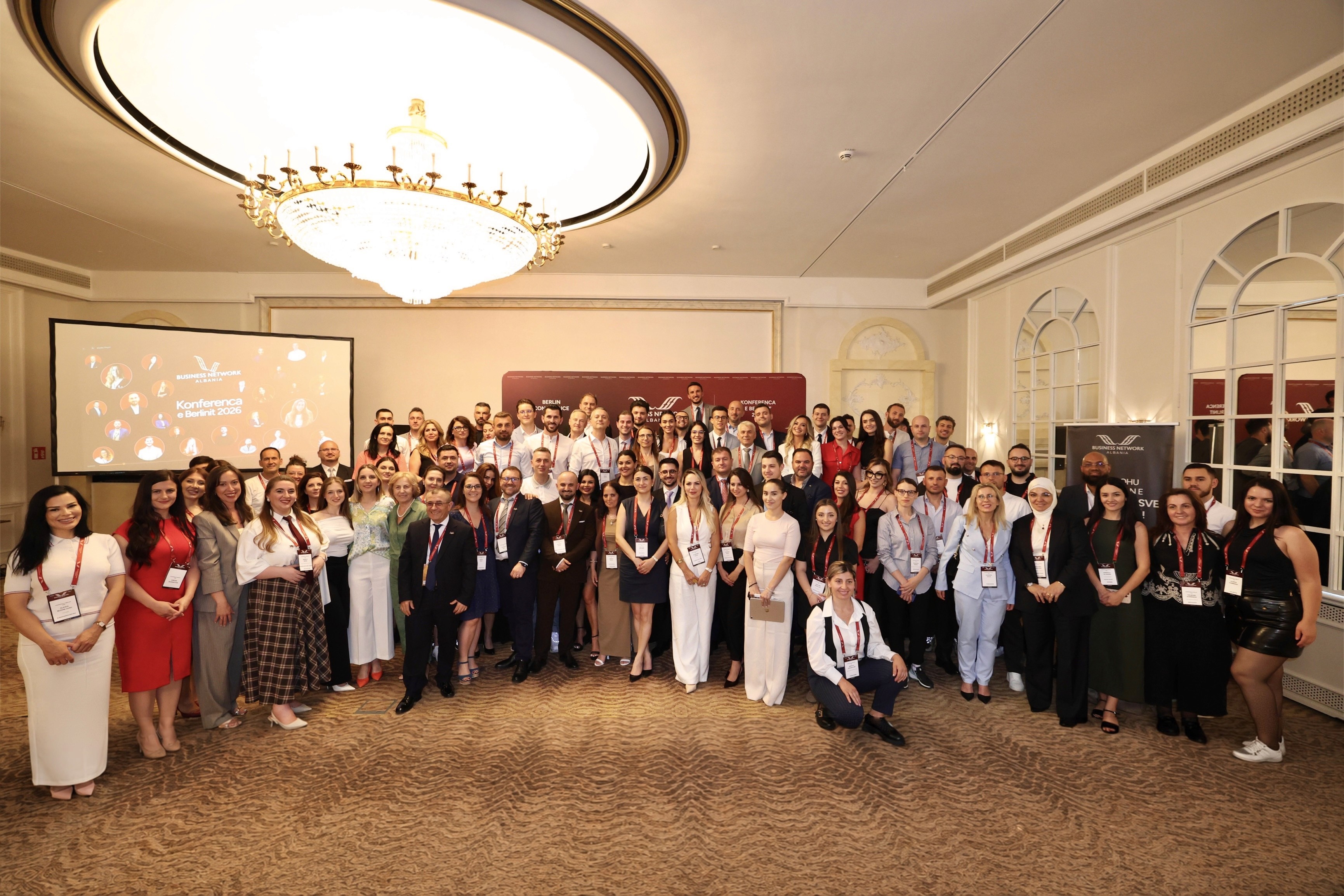
BNA marked another success with its conference in Berlin.
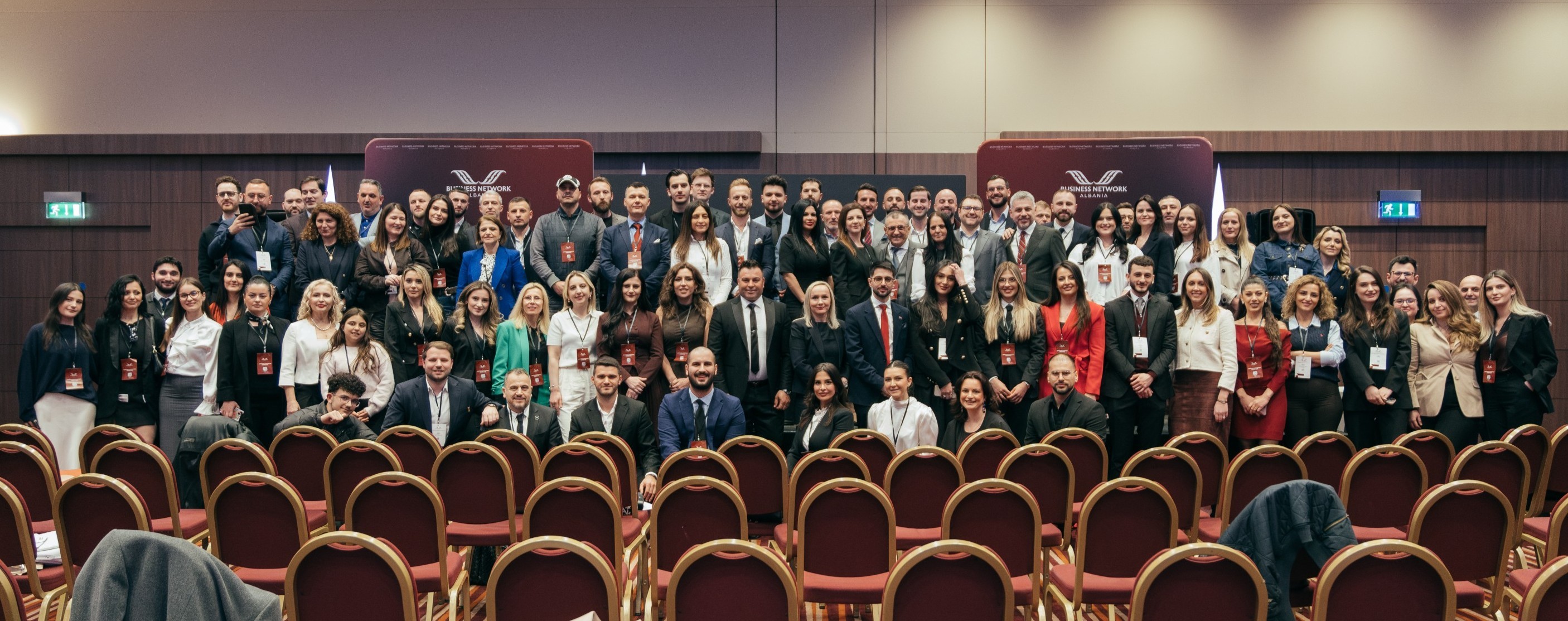
London Economic Conference 2026 - International Cooperation in the United Kingdom

Albanian Business Outlook 2025–2026: From Survival to Intelligent Growth
Ready to join our ecosystem?
Over 215 Albanian members around the world have chosen to be part of BNA.
Join BNA